


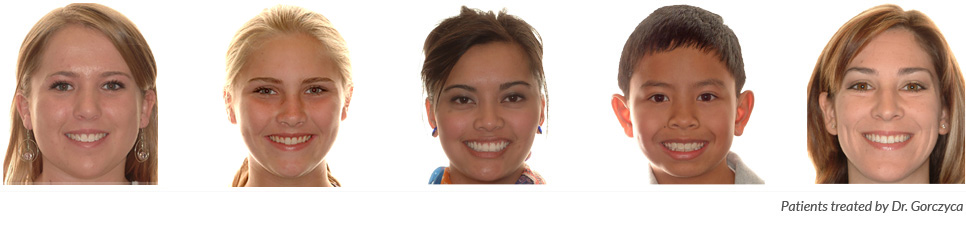
The straightest, whitest teeth.
Surgical Orthodontics
Orthognathic surgery, also known as corrective jaw surgery or surgical orthodontics, is a specialized treatment used to improve the alignment and function of the jaws. While orthodontic treatment can correct many bite and alignment concerns, some patients have jaw discrepancies that cannot be fully treated with braces or clear aligners alone. Orthognathic surgery works together with orthodontic treatment to improve the way the teeth, jaws, and facial structures function and fit together.
Orthognathic surgery can improve oral health, facial balance, chewing ability, speech, breathing, and overall comfort. For many patients, treatment can also create a more confident smile and improve long-term quality of life.
What is orthognathic surgery?
Orthognathic surgery is a procedure performed by an oral and maxillofacial surgeon to reposition the upper jaw, lower jaw, or both. The goal is to correct skeletal imbalances that affect the bite, facial symmetry, and jaw function.
Orthognathic surgery is recommended if your upper and lower jaws do not develop in proper alignment. Some patients may have a lower jaw that protrudes too far forward, while others may have a recessed jaw, open bite, crossbite, or facial asymmetry.
Because the teeth and jaws work together, orthodontic treatment is an important part of the process. Braces or aligners are typically used before and after surgery to ensure the teeth fit together properly once the jaws are repositioned.
Orthognathic surgery can help address:
- Severe overbites and underbites
- Open bites
- Crossbites
- Facial asymmetry
- Difficulty chewing or biting
- Speech challenges related to jaw position
- Jaw pain or strain
- Chronic mouth breathing
- Sleep-related breathing concerns
- Excessive tooth wear caused by bite imbalance
Most patients begin treatment once jaw growth is complete, typically during the late teen or adult years.
When is orthognathic surgery needed?
Orthognathic surgery is typically recommended when jaw discrepancies are too significant to be corrected with orthodontics alone. While braces can move teeth into better positions, they cannot reposition the jawbones themselves.
Patients who may benefit from orthognathic surgery often experience functional issues in addition to cosmetic concerns. Some signs that corrective jaw surgery may be appropriate include:
- Difficulty Chewing or Biting: If the jaws do not align correctly, it can make chewing uncomfortable or inefficient. Patients may struggle to bite into foods or feel that their teeth do not meet properly.
- Jaw Pain or TMJ Discomfort: Jaw imbalance can place excess strain on the temporomandibular joints (TMJ), leading to chronic discomfort, headaches, or muscle tension.
- Speech Concerns: Certain jaw positions can affect speech clarity and pronunciation.
- Facial Imbalance: Patients may notice that the chin appears too prominent or recessed, or that the face appears asymmetrical.
- Sleep and Breathing Issues: Jaw positioning can contribute to airway obstruction, mouth breathing, and some forms of sleep-disordered breathing.
- Severe Bite Problems: Orthognathic surgery is often recommended for significant underbites, overbites, open bites, and skeletal crossbites.
The Orthognathic Surgery Treatment Process
Orthognathic surgery treatment is carefully planned and completed in phases to ensure the best possible outcome.
Step 1: Orthodontic Evaluation
- Treatment begins with a comprehensive orthodontic evaluation that includes digital imaging, photographs, bite analysis, and treatment planning. Your orthodontist will determine whether jaw surgery may be beneficial as part of your treatment.
Step 2: Pre-Surgical Orthodontics
- Braces or clear aligners are typically worn before surgery to align the teeth and prepare the bite for jaw repositioning. This phase may last several months to over a year, depending on the complexity of the case.
Step 3: Surgical Planning
- Your orthodontist and oral surgeon work together closely to plan the procedure using advanced imaging and digital technology. Detailed measurements help ensure accurate jaw positioning and ideal bite function.
Step 4: Orthognathic Surgery
- Corrective jaw surgery is performed in a hospital or surgical center under general anesthesia. Depending on the patient’s needs, the surgeon may reposition the upper jaw, lower jaw, chin, or a combination of structures.
Step 5: Recovery and Healing
- Recovery varies from patient to patient, but most individuals can return to school or work within a few weeks. Swelling and temporary dietary restrictions are common during the healing phase. Your orthodontist and surgeon will continue monitoring progress throughout recovery.
Step 6: Final Orthodontic Treatment
- After surgery, orthodontic treatment continues to refine the bite and finalize tooth alignment. Once treatment is complete, retainers help maintain the results.
For many patients, the most important reward of having orthognathic surgery is achieving a beautiful, healthy smile that lasts a lifetime. Whether you need orthodontic treatment to correct a bad bite, malocclusion, or jaw abnormality, orthognathic surgery can help restore your confidence and leave you smiling with confidence for many years to come.