Our Blog

Your Fountain of Youth, an Invisalign Smile Makeover

March 29th, 2016

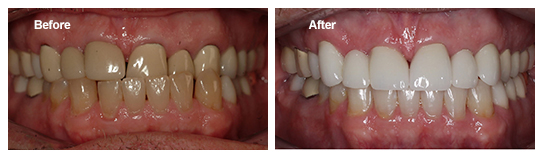
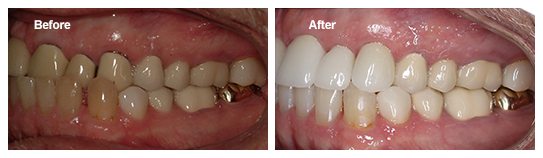
NEW SMILE, NEW YOU. Your Invisalign smile makeover will take years off of your appearance, make you feel young again, and give you a reason to smile.
Invisalign Is An Easy Way To Improve Your Smile

Invisalign is a fast and easy way to correct your bite, tooth position, and smile to prepare your teeth for your gorgeous smile makeover.

Invisalign is a comprehensive orthodontic treatment. Combined with the wearing of orthodontic rubber bands, Invisalign will move your teeth and correct your bite to make your smile ideal.
Invisalign And AcceleDent Can Drastically Reduce Treatment Time

Orthodontic treatment combined with the technology of AcceleDent can cut your Invisalign treatment time in half giving you a fantastic bite and smile in less than two years.
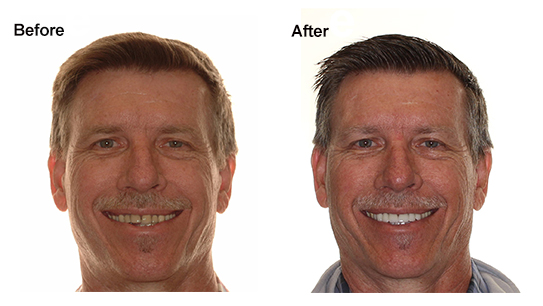
We Can Help With Your Smile Makeover

This case was completed by Board Certified Orthodontist Dr. Ann Marie Gorczyca and General Dentist Dr. Jeffrey Haug of Antioch, California. Both doctors are located at the Deer Valley Dental Professional Building, 5201 Deer Valley Road in Antioch, California.

For a complimentary orthodontic consultation and information about your smile makeover, visit us at www.clubbraces.com or call us at (925) 757-9000.

Turn back time with Invisalign and a smile makeover today. Here's to your beautiful and youthful smile.

Oral Hygiene Attack of the Jelly Beans

March 25th, 2016

ONE BY ONE, over and over, cute and tasty, fun flavored, multi-colored jelly beans violently attack your teeth and your oral hygiene.

Be Careful: Jelly Beans Can Wreak Havoc On Teeth

Caught in a braces dragnet, jelly beans may sit for hours on your teeth spreading their sugar leading to plaque formation and enamel decalcification. Eaten before bed without brushing, jelly beans are like an oral hygiene nuclear attack.

Chewy, sticky, and hard, jelly beans adhere to your braces and teeth making it difficult for your saliva and tongue to wash them away. Like a sugar invasion, jelly beans set up camp and coat your teeth with their stickiness which can only be removed by brushing and flossing.

Cavity producing bacteria love to eat jelly beans even more than you do! They eat the jelly beans and produce acid which damages your tooth enamel and causes tooth decay. Long term, jelly beans create holes in your teeth called cavities.

Practice Good Oral Hygiene To Protect Your Teeth

Be sure to brush and floss your teeth as soon as possible after eating jelly beans. If you're a jelly bean eater, consider adding a plaque prevention rinse to your oral hygiene regimen. Brush for two minutes twice per day, floss, and visit your dentist and hygienist regularly twice per year for excellent oral hygiene.

Orthodontist Dr. Ann Marie Gorczyca recommends eating jelly beans in moderation and avoiding jelly beans if you have braces. Find us at www.clubbraces.com.

Be sure to drink water and brush and floss as soon as you can after eating jelly beans. Prevent your dental hygiene attack of the jelly beans.

Gum Disease Can Delay Orthodontic Treatment

March 24th, 2016

RECENT STUDIES ESTIMATE about half of all adults have some form of gum disease. Shocking, isn’t it?

One reason the spread of periodontal conditions is so common is because gum problems progress slowly and often painlessly. In many cases, dental neglect and skipping regular checkups allow periodontal disease to seriously damage gums and even underlying bone structure before action is taken!

When bone structure is weakened, teeth can begin to drift out of place. Normally, when teeth need to be aligned, orthodontic treatment including braces or retainers can do the job. But when gums are infected, things become more complicated.

Periodontal Disease Can Delay Orthodontic Treatment

Attempting orthodontic treatment on a mouth affected by periodontal disease can invite even more problems. The pressure of braces on already weak bone structure can cause teeth to move unpredictably and cause further damage.

The first order of business should be getting periodontal disease under control. Once gums are healthy enough to provide the needed support for orthodontic treatment, gaps can be closed and teeth can be straightened.

Expert Diagnosis is Key

In general, periodontal disease should be addressed before moving any teeth. However, in some cases, applying orthodontic treatment sooner can help to alleviate gum problems!

Each individual situation is different, and by getting to know your unique dental profile, we can develop the optimal treatment plan for you. Information provided by your general dentist also helps us decide the best way to proceed.

Take Care of Your Gums, With Braces or Not

Even if you’re not planning on getting braces anytime soon, caring for your gums is crucial for oral health—and total-body health! Healthy gums are linked to lower risk of chronic conditions like heart disease, arthritis, and diabetes.

We view orthodontics as an essential part of your overall well-being. Along with treatment, our goal is to help you establish dental habits that will not only benefit your smile, but your total health and quality of life!

Thanks for being our valued and patient and friend! We invite you to talk with us on your next visit if you have any questions.

Top image by Flickr user Nicolas Henderson used under Creative Commons Attribution-Sharealike 4.0 license. Image cropped and modified from original.

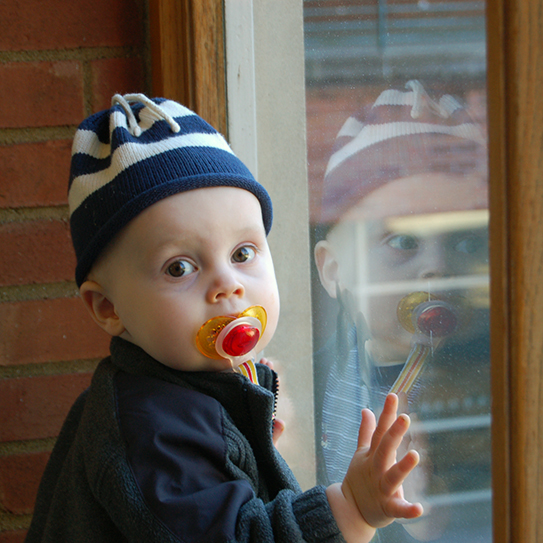
How Pacifiers Affect Your Baby’s Teeth

March 23rd, 2016

AS CHILDREN GROW OLDER, some parents begin to worry about their child’s thumb sucking or pacifier habits. This is a normal behavior for an infant, but the older a child gets, the more harm it can do to their oral and orthodontic development.

The Pros And Cons Of Pacifiers

Pacifiers have many benefits for infants, including reducing a child’s chance of Sudden Infant Death Syndrome (SIDS), or simply helping them drift off to sleep at night! However, if pacifier use or thumb sucking is prolonged, it can negatively impact your child’s growing teeth and mouth.
Some side effects of prolonged pacifier use and thumbsucking include:

  • protrusive upper front teeth,
  • tipped back lower front teeth,
  • open bite,
  • and crossbite.

Psychologists and Orthodontists have found that thumbsucking prior to the eruption of the permanent teeth does not have a long term effect. Psychologically, thumb sucking my have some psychological benefits at a very early age.

There’s More Than One Way To Help Your Child Quit

When is the right time to help your child kick the habit of using a pacifier or sucking their thumb? To allow the body to correct any oral health issues that may have been caused by persistent sucking, the Academy of General Dentistry suggests that an infant quit using a pacifier before the age of 2. If your child enjoys sucking their thumb, it is best to help them stop no later than age 4.

Once permanent incisors start to erupt around age six, finger habits need to stop. Parents can try these tips:

Tips for helping your child quit thumb sucking:

  • Praise your child for not sucking her thumb, instead of getting mad when she does.
  • Consider rewards when your child abstains for a certain period of time.
  • Put a bandage on the thumb to act as a reminder to not suck their thumb.
  • Put a smelly sock on the finger hand during sleep. This will encourage your child to put their hand down while they sleep.

Tips to help your baby quit using a pacifier:

  • Dip the pacifier in vinegar.
  • Pierce or cut the top of the pacifier to decrease the amount of sucking possible.

You may want to have a "Bye Bye Binkie Party!" Make a special party for the binkie and tie it to a special balloon. Let go of the balloon and wave bye bye and the balloon and binkie fly away.

Let’s Visit About Your Questions Or Concerns

If all of these attempts fail, your orthodontist can place a habit appliance during Phase I orthodontic treatment at age 7. Call us at Gorczyca Orthodontics, (925) 757-9000, or find us at clubbraces.com if you have questions about pacifiers or finger habits.

Thanks for being a valued part of our practice family!

Top image by Flickr user David Goehring used under Creative Commons Attribution-Sharealike 4.0 license. Image cropped and modified from original.
The content on this blog is not intended to be a substitute for professional medical advice, diagnosis, or treatment. Always seek the advice of qualified health providers with questions you may have regarding medical conditions.
More Topics
diplomate american board of orthodontics Edward H. Angle Society of Orthodontists advanced education in orthdontics
member american association of orthodontists seattle study club american dental association california dental association
Contact Us!
call